

Born from ancient fire, shaped by life.
The Pilanesberg rises from the remnants of an ancient volcano, where wildlife now moves through valleys and ridges shaped long before it. It is a compact wilderness, yet full of life where encounters often feel close and immediate.

An Ancient Landscape
Into A Volcanic Wilderness Alive With Wildlife
Pilanesberg National Park sits within the crater of a long-extinct volcano, creating a landscape of rolling hills, rocky outcrops and scattered waterholes. Its unique geology supports a rich diversity of wildlife within a relatively compact area, making sightings frequent and varied.
The Safari Experience
What Makes This Destination Special
Wildlife
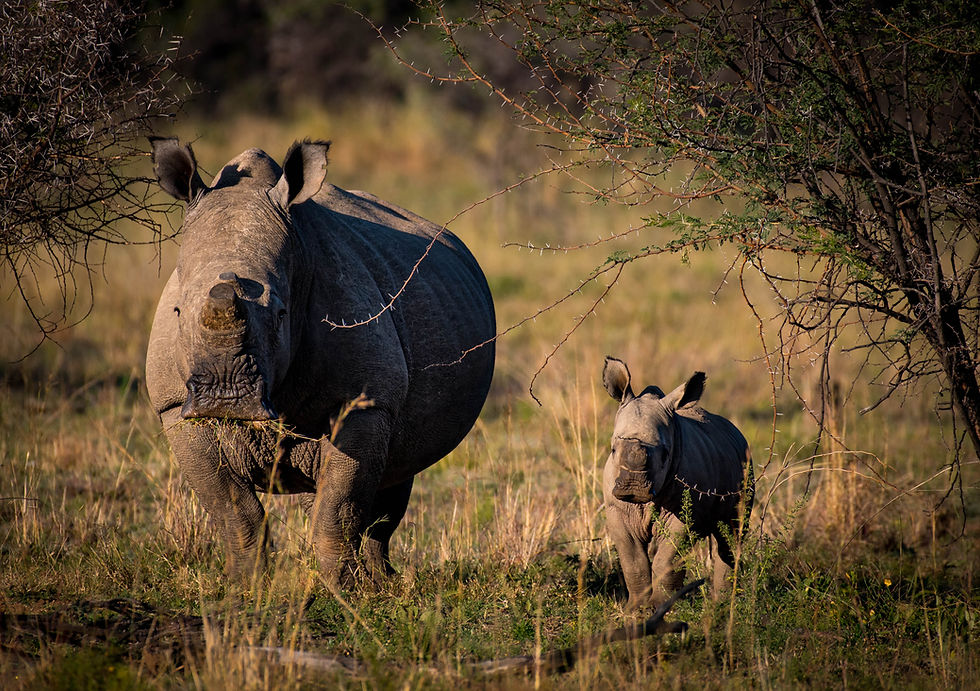
Pilanesberg is home to the Big Five, with regular sightings of lion, elephant, rhino and leopard, alongside abundant plains game and birdlife.
Landscape

A mix of rugged volcanic ridges, open valleys and permanent water sources creates a dramatic and varied setting for wildlife encounters.
Best For

Ideal for shorter safaris, first-time visitors and travellers seeking consistent sightings within easy reach of major cities. Standard safaris are most common here, with photographic opportunities depending on conditions.
Planning Your Journey
Where We Stay
Where We Stay
When To Go
A volcanic crater system with permanent water, July–October offers the most consistent and clear sightings at waterholes. November–March is greener and more active for birdlife, with thicker vegetation and slightly more concealed game movement.
How Long To Stay
2–3 nights is enough to experience its compact wilderness rhythm, with frequent sightings concentrated around key water sources.
Getting There
Road or air transfers are included, depending on how you choose to arrive.
Budget Range
$–$$

The Wildlife
The Encounters That Draw People Here
Lion moving through tall grass on a mission to find prey
Elephant herds gathering at permanent waterholes
Leopard resting on rocky ridges above the valley
Rhino moving quietly through the bushveld


