
How to Experience the Masai Mara Without the Crowds
The Masai Mara has developed something of a reputation for being overcrowded. Search for the destination online, particularly during the Great Wildebeest Migration, and it is easy to find photographs of dozens of safari vehicles gathered around a leopard, a lion or one of the dramatic crossings of the Mara River. For someone dreaming of an intimate African safari, those images can understandably be concerning. But there is a much bigger story behind the Masai Mara, and the experience you have depends enormously on where you stay, where you drive and how your safari is structured.
The mistake is thinking of the Masai Mara as one single destination. The greater Mara ecosystem encompasses the Masai Mara National Reserve as well as a network of private and community-owned conservancies surrounding it. These areas form part of the same extraordinary wildlife ecosystem, but they operate very differently. The conservancies have been established through partnerships with local Maasai landowners and generally have much lower tourism density, with restrictions on the number of camps, beds and vehicles operating within them. For travellers looking for a more exclusive safari, that distinction can completely change the experience.
This is why we often tell our clients that avoiding the crowds in the Masai Mara is not necessarily about avoiding the Masai Mara itself. It is about understanding the destination properly and choosing where to spend your time. The National Reserve remains one of Africa's great wildlife destinations, and there are certain experiences there that you simply cannot replicate elsewhere. But if your priority is privacy, space and the feeling of being immersed in the wilderness rather than surrounded by safari vehicles, the conservancies deserve serious consideration.

The Masai Mara is much more than the National Reserve
The Masai Mara National Reserve is the part of the ecosystem most people know. It is the landscape associated with some of Africa's most famous wildlife scenes, from vast herds of wildebeest and zebra to prides of lions and the spectacular Mara River crossings during the Great Migration. The reserve is extraordinary, and we would never suggest that travellers should simply avoid it because it can become busy.
The important thing is to understand that wildlife does not recognise the boundaries on a map. Lions, leopards, cheetahs, elephants, giraffes, hyenas and huge herds of plains game move throughout the greater Mara ecosystem, including across the conservancies surrounding the reserve. The conservancies are not separate wildlife parks that happen to be near the Mara. They form an important part of the same functioning ecosystem, while offering a different approach to tourism and conservation.
For a traveller, that difference can be significant. In the National Reserve, there are times and places where a spectacular sighting can attract a large number of vehicles. During particularly exciting moments of the migration, this is especially noticeable. In a conservancy, however, the number of vehicles and accommodation beds is deliberately controlled, meaning there is much less tourism pressure on the landscape. The result is not necessarily fewer animals, but fewer people trying to see them.
Why the conservancies make such a difference
The conservancy model is one of the most interesting aspects of the greater Mara ecosystem. Large areas of land are managed through agreements with Maasai landowners, creating a sustainable economic incentive for communities to maintain the land as wildlife habitat. Tourism revenue supports these communities while helping to protect areas that are vital to the wider ecosystem.
For visitors, the benefits are immediately noticeable. Lower accommodation density means fewer guests, while restrictions on vehicle numbers can mean a much quieter experience at wildlife sightings. The rules within conservancies can also allow certain activities that are not generally available within the National Reserve, including night drives, walking safaris and controlled off-road driving.
That changes the rhythm of a safari. Instead of spending every game drive searching for the same famous sightings that everyone else is looking for, you can slow down and spend meaningful time with whatever the landscape happens to offer. A pride of lions resting beneath an acacia tree can become an hour-long experience rather than a quick photograph before moving away to make space for another vehicle. A leopard disappearing through the grass can be followed without the same sense of urgency. A herd of elephants can simply be watched as they move across the plains.
That is what we mean when we talk about an exclusive safari. It is not simply about having an expensive tent or a beautiful swimming pool. It is about having space, time and freedom to experience the wildlife without constantly feeling the presence of other vehicles.

Naboisho Conservancy
One of the conservancies we particularly like to use for our clients is Naboisho Conservancy. Located on the eastern side of the greater Mara ecosystem, Naboisho is an important wildlife area in its own right, with substantial populations of lions, elephants, giraffes, wildebeest and other plains game. It is particularly well known for its predator populations, making it an especially exciting area for travellers who want to spend serious time watching big cats and other carnivores.
What makes Naboisho particularly appealing is that the incredible wildlife is paired with a low-density safari experience. The conservancy covers a vast area of land while limiting tourism development, allowing wildlife to move through the landscape with comparatively little human pressure. It is the kind of place where you can be surrounded by wildlife without feeling as though you are surrounded by tourists.
For our clients, we use several camps within Naboisho depending on the style of safari they are looking for. Kicheche Valley Naboisho is an intimate camp set within a secluded valley, while Naboisho Camp by Asilia Africa provides another excellent base from which to explore the conservancy. Both offer access to the exceptional wildlife of Naboisho while allowing guests to experience the quieter side of the Mara.
The beauty of staying here is that the experience does not feel like a compromise. You are not choosing a quiet area because it has less wildlife. You are choosing an area because it has exceptional wildlife and a carefully managed tourism model. Lions, leopards, cheetahs, elephants, giraffes, hyenas and huge numbers of plains game can all be encountered here, and the lower vehicle density gives those encounters a very different character.

Olare Motorogi Conservancy
Another conservancy we frequently use is Olare Motorogi, an area that has become particularly well known for its exceptional predator sightings. Covering a large area alongside the National Reserve, the conservancy provides important habitat and a valuable buffer for wildlife moving throughout the greater Mara ecosystem.
Olare Motorogi is particularly impressive for anyone with a passion for big cats. The combination of abundant prey, permanent water and carefully managed tourism has helped create an area where lions, leopards and cheetahs can thrive. The conservancy's strict limits on tourism density are also a major part of its appeal, allowing guests to experience these wildlife encounters without the same concentration of vehicles that can occur in busier areas.
For our clients staying in Olare Motorogi, we use Kicheche Bush Olare and Mara Plains Camp by Great Plains Conservation. Both offer an intimate way of experiencing the conservancy, but with their own distinct character. Kicheche Bush Olare is a small, low-impact camp surrounded by the wilderness of the conservancy, while Mara Plains provides an exceptionally private base along the Ntiakitiak River.
The wildlife is the real reason to be here. You can spend a morning following a pride of lions, find a leopard moving through the woodland or sit quietly with elephants without necessarily having a procession of vehicles arriving behind you. The experience becomes less about ticking animals off a list and more about spending time observing behaviour.
For photographers, this can be particularly valuable. Wildlife photography is not simply about finding an animal. The quality of an image is often determined by light, positioning, background and behaviour, and having more freedom around a sighting can make an enormous difference. Being able to wait for a moment rather than feeling pressured to move on can turn an ordinary encounter into something genuinely memorable.

But should you skip the National Reserve?
Not necessarily. In fact, for many travellers, the best way to experience the greater Mara ecosystem is to combine the conservancies with time in the National Reserve. There are certain experiences that belong specifically to the reserve, most notably the famous Mara River crossings during the Great Wildebeest Migration. If witnessing the migration is one of the primary reasons for your trip, then access to the National Reserve is important. The dramatic scenes of thousands of wildebeest gathering at the river are part of what has made the Masai Mara one of the world's most iconic safari destinations.
There are also areas within the National Reserve where particular lodges have access to concessions or strategically positioned wildlife areas, meaning that staying in the reserve does not automatically mean having a crowded safari. The important thing is understanding exactly where a property is located, what access it has and how it operates.
This is something we look at very carefully when designing an itinerary. Two properties can both advertise themselves as being in the Masai Mara while offering completely different experiences on the ground. Location, access, vehicle density, lodge size, guiding and the time of year can all influence what your safari actually feels like.

The importance of choosing the right lodge
This is why accommodation should never be selected simply because a lodge has beautiful photographs or because its name includes the words "Masai Mara". The location of the property can be just as important as the property itself.
When we plan a safari for a client, we look at the complete experience. If someone wants to photograph big cats and spend long periods at sightings, we may structure their stay differently from someone whose priority is the Great Migration. A family might want a completely different camp from a couple celebrating a honeymoon, while a serious wildlife photographer may prioritise vehicle density and guiding above almost everything else.
The conservancies give us another level of flexibility. Staying at Kicheche Valley Naboisho, Naboisho Camp by Asilia Africa, Kicheche Bush Olare or Mara Plains allows us to place clients in areas where the wildlife experience itself is the priority, rather than simply selecting a property because it is famous. It also means that the safari can be designed around the experience rather than the marketing. Sometimes that means spending more nights in one conservancy instead of moving between several properties. Sometimes it means combining a conservancy with a stay closer to the National Reserve. The right answer depends on what you actually want to see and experience.
Timing matters, but it is not everything
The time of year naturally has an influence on how busy the Mara becomes. The Great Wildebeest Migration brings enormous concentrations of wildlife into the ecosystem, and with that comes increased demand from travellers wanting to witness one of the world's greatest natural spectacles. That does not mean the migration should be avoided. Far from it. If seeing the migration is your dream, there is no reason to compromise that experience simply because other people want to see it too. The important thing is to structure the safari intelligently.
Staying in a conservancy can provide a quieter base while still allowing access to the National Reserve when the migration is the focus. It can also give you a much broader safari experience, with opportunities for night drives, walking and wildlife viewing away from the busiest areas. Even outside peak migration periods, the same principle applies. Starting early, using an experienced guide and understanding the movements of wildlife can all help you avoid simply following the crowds. Sometimes the best decision is to leave a busy sighting behind and explore another part of the ecosystem altogether.
A great safari is not about seeing the most animals
There is a temptation, especially on a first African safari, to measure the success of a game drive by the number of species you have seen. The reality is that the most memorable safari experiences are often about what happens during one particular sighting rather than how many animals you managed to photograph. Watching a pride of lions interact with one another for an hour can be more memorable than seeing ten different species in an afternoon. Sitting quietly beside elephants as they move through the landscape can stay with you longer than ticking elephant off a list. Finding a leopard and watching it disappear into the grass can become a defining moment of the entire trip.
This is where the conservancy model becomes so valuable. With fewer vehicles and a more intimate environment, there is often more opportunity to slow down and let those moments happen naturally. A good guide makes an enormous difference here too. Knowing where an animal is can be useful, but knowing when to stay, when to leave and when to explore somewhere completely different is what can turn a good safari into an exceptional one.
Experiencing the Mara differently
The Masai Mara deserves its reputation as one of Africa's greatest wildlife destinations. The problem is that the most famous photographs of the Mara have sometimes become the entire story. Yes, there are times when the National Reserve can be busy. Yes, the most famous migration sightings can attract large numbers of vehicles. But that is only one part of a much larger ecosystem.
The conservancies surrounding the reserve offer another way to experience the Mara, and for travellers looking for a more private and immersive safari, they can completely change the perception of the destination. Naboisho and Olare Motorogi are two areas we particularly like to use for our clients because they combine exceptional wildlife with a carefully managed tourism model.
At Naboisho, camps such as Kicheche Valley Naboisho and Naboisho Camp by Asilia Africa provide intimate bases from which to explore an ecosystem rich in predators and plains game. At Olare Motorogi, Kicheche Bush Olare and Mara Plains Camp by Great Plains Conservation offer access to another extraordinarily productive wildlife area, with particularly strong opportunities for big-cat sightings.
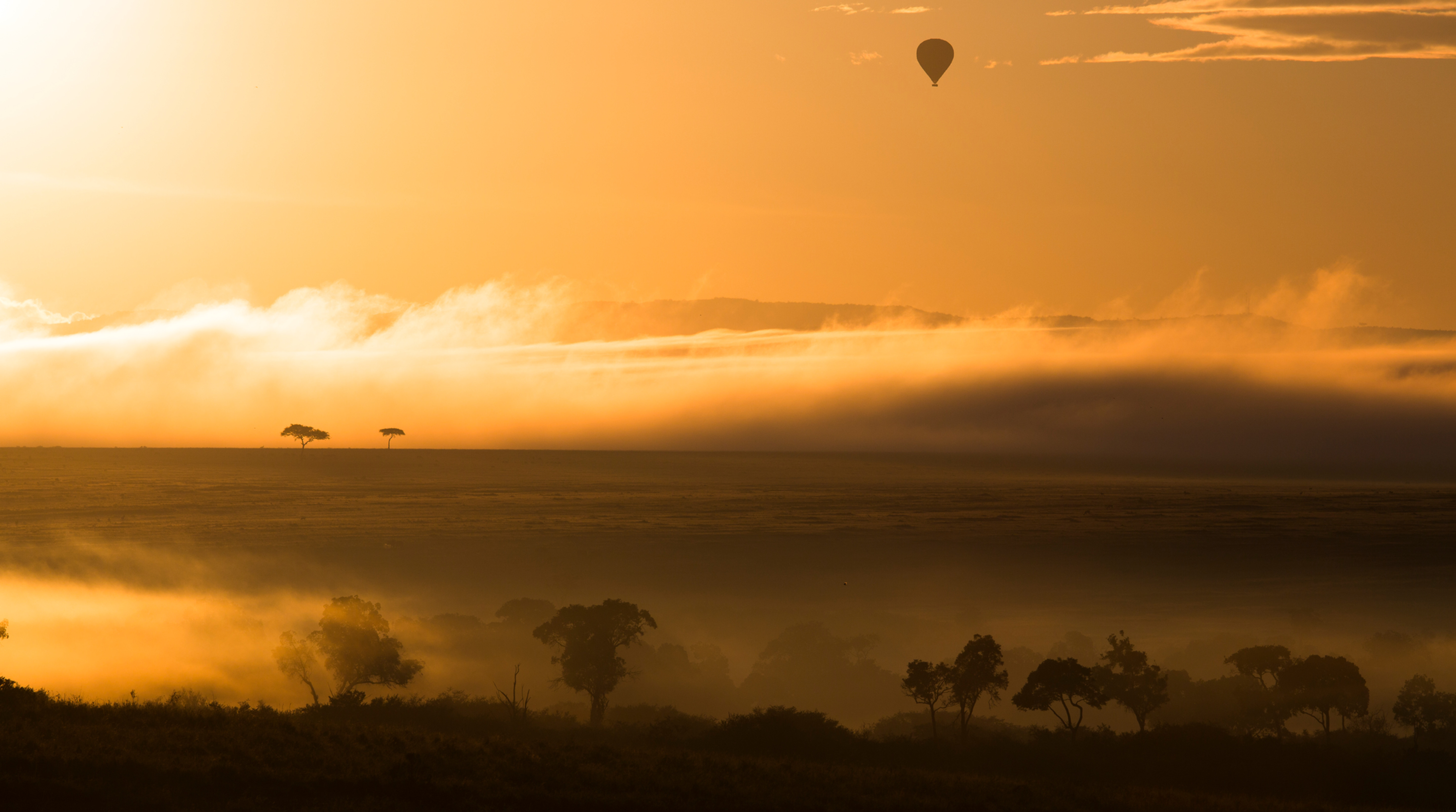
The result is a safari that feels much closer to what many people imagine when they dream of Africa. You wake before sunrise, leave camp with your guide and head into a wilderness where there is no guarantee of what you will find. You may spend an hour watching lions, follow elephants through the woodland, discover a leopard in the grass or drive for miles without seeing another vehicle. Then, just as importantly, you can stop and simply take in where you are.
That is the Masai Mara we want our clients to experience.
Not a checklist. Not a race between sightings. Not a safari spent watching the backs of other vehicles.
A vast, living ecosystem where the wildlife is the reason you came, and where choosing the right area can make all the difference.
Planning a more exclusive Masai Mara safari
When we plan a Masai Mara safari, we do not simply book a lodge and assume the destination will take care of the rest. We look at the location, the conservancy or reserve access, the time of year, the wildlife you are most interested in, the type of accommodation you want and how much time you have available.
For some travellers, that may mean staying entirely within a conservancy. For others, the ideal itinerary might combine Naboisho or Olare Motorogi with time in the National Reserve, particularly if witnessing the Great Migration is a priority. The goal is to build the safari around the experience you want rather than simply sending you to the most famous property.
If you have always wanted to experience the Masai Mara but have been put off by images of crowded game drives, do not write the destination off. The Mara is far more nuanced than that. The secret is not avoiding the Masai Mara. It is knowing which Masai Mara you want to experience.
At All Out Safaris, we can help you design that experience, from choosing the right conservancy and camp to building the Mara into a wider Kenya safari that gives you the wildlife, privacy and sense of adventure you are actually looking for.


Comments